Dried Beans, Lentils, and Peas for Everyday Cooking
Dried beans, lentils, and peas are shelf-stable pulses used in soups, stews, salads, curries, dips, and many other meals. This category includes familiar choices such as chickpeas, kidney beans, black beans, green and brown lentils, and split peas, alongside less common varieties for exploring new recipes. Products are generally sold plain and dried, so shoppers can control seasoning and texture during cooking. Some packs contain a single variety, while assorted selections offer several types for meal planning. When browsing Ubuy, compare product descriptions and package details to find options that suit your recipes and pantry needs. Whether you are stocking everyday staples or seeking a particular pulse for a traditional dish, checking the variety and preparation guidance helps make the purchase more useful.
- Shelf-stable pantry staples
- Whole, split, and assorted varieties
- Suitable for many cuisines and recipes
Explore Bean Varieties, Sizes, and Uses
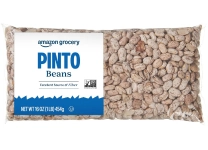
Beans differ in size, skin, texture, and how they hold their shape after cooking. Black beans and kidney beans work well in hearty dishes, while chickpeas can be used whole, mashed, or blended into dips. Cannellini and other white beans are often chosen for soups and salads, and smaller varieties may cook differently from larger ones. Read labels carefully to distinguish whole beans from split or peeled pulses, and check whether a product is plain or seasoned. Brands such as Goya, Camellia, and Bob's Red Mill offer examples of packaged bean and pulse products; compare the specific variety and pack information rather than relying on a brand name alone. Consider the dishes you prepare most often, the texture you prefer, and the amount you can store before choosing a pack size.
- Compare size, color, and texture
- Check whole versus split formats
- Match varieties to planned recipes
Compare Lentils, Split Peas, and Whole Peas
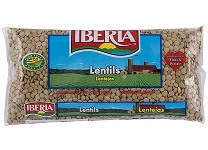
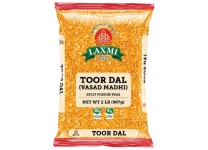
Lentils are available in green, brown, red, and other varieties, with cooking behavior varying by type. Whole green or brown lentils generally retain more shape, making them useful in salads and textured soups, while red lentils soften readily into dals, purées, and thick stews. Split peas are dried peas with their skins removed and split; green and yellow versions are commonly used for smooth or hearty soups. Whole dried peas are a different format and may need soaking or longer cooking, depending on the product. Check packaging for cooking instructions, recommended soaking, and any notes about sorting or rinsing. These details help you choose the right pulse for a recipe's desired consistency, whether you want distinct pieces, a creamy base, or an ingredient that blends into a sauce.
- Choose lentils by desired texture
- Green and yellow split pea options
- Check preparation guidance on the pack
Ingredients, Nutrition, and Product Formats
Most dried pulses list a single ingredient, making the label a helpful place to check for added salt, seasonings, or other ingredients when present. Beans, lentils, and peas provide plant-based protein and dietary fiber, as well as carbohydrates and minerals; nutritional values vary by pulse and serving size. Compare the nutrition panel and serving information if you are selecting products for a particular meal plan. Formats may include single-variety bags, multipacks, mixed pulses, or larger food-service packs, so consider how frequently you cook and how much storage space you have. Specialty options can include organic-labelled products or pulses selected for specific recipes, but verify the package description and certification details rather than assuming them. Ubuy can help shoppers discover international products and compare listed varieties, ingredients, and pack formats before deciding what fits their pantry.
- Review ingredients and nutrition panels
- Compare pack sizes and formats
- Verify product and certification details
Storage, Preparation, and Cooking Methods
Keep dried beans, lentils, and peas in a cool, dry place, protected from moisture and pests, and follow any storage directions on the package. Transfer opened products to clean, airtight containers and label them if you keep several varieties together. Before cooking, inspect and rinse pulses, removing any debris if needed. Some beans and whole peas benefit from soaking, while lentils and split peas are often cooked without an overnight soak; the product instructions and recipe should guide preparation. Use a pot or pressure cooker suited to the amount and follow reliable cooking guidance for the pulse you selected. Cooked portions can be incorporated into grain bowls, salads, soups, sauces, and fillings. If using a slow cooker or substituting one variety for another, account for differences in cooking time, water absorption, and finished texture.
- Store dry and airtight after opening
- Rinse and sort before cooking
- Follow variety-specific cooking instructions
Select the Right dried beans lentils peas
Start by choosing the pulse that matches your intended dish: firm beans for salads and stews, chickpeas for roasting or blending, lentils for quick soups and curries, or split peas for a softer, thicker result. Then compare the variety, whole or split format, ingredient list, pack size, and preparation directions. If cooking time matters, check whether soaking is recommended and select a product whose instructions fit your routine. For first-time use, a smaller pack can make it easier to assess flavor and texture; frequent cooks may prefer a size that suits their storage space and meal planning. Look at product details on Ubuy to explore international options and compare what is listed for each item. A considered choice helps you keep versatile staples on hand while reducing the chance of buying a pulse that does not suit your recipes.
- Choose by recipe and desired texture
- Check pack details before ordering
- Consider cooking time and storage