Explore Business Education Reference Books
Business education reference books support structured learning and practical decision-making across management, commerce, and organizational leadership. The category includes introductory business textbooks, specialist handbooks, concise study guides, case-study collections, and desk references for working professionals. Some titles build foundational knowledge for students, while others address specific tasks such as preparing financial statements, developing a marketing plan, or managing a team. Readers may also find dictionaries of business terminology, exam-preparation resources, and guides to entrepreneurship or business communication. These books can complement formal courses or serve as independent learning tools. Comparing the intended audience, subject depth, publication date, and level of practical detail helps narrow a broad selection to resources that fit a particular course, career goal, or business challenge.
- Textbooks, handbooks, and study guides
- Resources for students and professionals
- Foundational and specialist subject coverage
Compare Business Subjects and Specialties
The right business reference depends on the subject a reader wants to understand or apply. Accounting and finance books cover topics such as budgeting, financial analysis, investment principles, and interpreting reports. Marketing references explore consumer behavior, branding, market research, sales, and digital strategy, while management and leadership titles address organizational design, decision-making, negotiation, and team development. Other common areas include economics, human resources, operations, supply chain management, business law, and entrepreneurship. Some books connect several disciplines through case studies that examine how organizations respond to real-world challenges. For learners following a course, compare the book's terminology and topic coverage with the syllabus. For workplace use, look for a specialty aligned with the task, industry context, or professional skill being developed.
- Finance, accounting, and economics
- Marketing, sales, and entrepreneurship
- Management, operations, and leadership
Check Edition, Format, and Learning Features
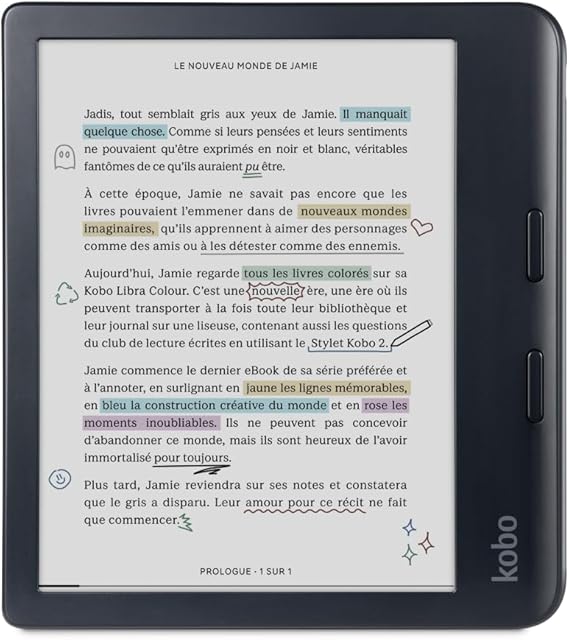
Business concepts and tools change over time, so edition and format are important comparison points. A newer edition may revise examples, data, regulations, or technology references, while a classic title may remain useful for established principles and frameworks. Print editions suit readers who prefer page-by-page study and annotation; ebooks can offer searchable text and adjustable display, depending on the product. Some learning resources include glossaries, chapter summaries, practice questions, diagrams, sample calculations, or online companion materials. Check the product details to confirm what is included and whether any digital access or supplementary resource has separate conditions. For technical subjects, inspect the table of contents and sample pages when available to judge the level of mathematics, assumed prior knowledge, and balance between explanation and exercises.
- Compare publication date and edition
- Review format and included resources
- Match difficulty to prior knowledge
Use Reference Books for Study and Work
These books can support several learning situations, from reviewing concepts before an examination to building knowledge for a new role. Students may use a core textbook alongside lecture notes, then turn to case collections or practice questions to test their understanding. Managers and entrepreneurs often value reference works that translate frameworks into checklists, examples, or step-by-step methods they can adapt to their organization. Readers can also use dictionaries and concise guides for quick clarification of unfamiliar terms. Recognized publishers such as Harvard Business Review Press, McGraw Hill, Pearson, and Wiley publish a range of business and management titles, but suitability depends on the individual book rather than publisher name alone. Check the author's expertise, intended readership, contents, and examples before choosing a resource.
- Support coursework and exam revision
- Apply concepts to workplace decisions
- Check author, audience, and examples
Evaluate Quality and Practical Relevance
A useful business reference combines clear explanations with coverage suited to its purpose. Look for a logical structure, a detailed contents page, a glossary when specialist vocabulary is involved, and references or further reading for deeper research. Case studies and examples can make abstract ideas easier to interpret, but consider whether their context remains relevant to the reader's needs. For subjects affected by changing standards or practices, confirm that the material is current enough for the intended use. Compare several titles by checking scope, reading level, format, and included exercises rather than relying on a title alone. Ubuy can help shoppers discover business education reference books from international product selections; review each listing's description and edition details to identify a suitable match.
- Assess clarity and topic coverage
- Check examples and supporting references
- Review listing details before purchase
Select the Right business education reference books
Start by identifying the subject, learning objective, and level of detail required. A student preparing for a course may need a comprehensive textbook aligned with the syllabus, whereas a professional seeking a quick answer may prefer a focused handbook or desk reference. Compare editions, authors, contents, format, and any stated companion materials, then consider how the book will be used: regular study, occasional lookup, exam practice, or workplace application. If selecting more than one title, choose complementary coverage rather than several books that repeat the same fundamentals. Make a shortlist and verify product information before ordering. Ubuy offers a platform for discovering international business education reference books, making it possible to compare titles and formats in one shopping destination. Choose resources that support both immediate questions and continued learning.
- Define your learning or work goal
- Compare scope, edition, and format
- Choose complementary reference resources