Explore Education Books by Type
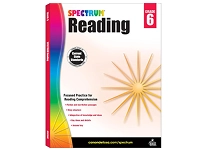
Education books cover a broad range of learning needs, from core textbooks and classroom workbooks to revision guides, dictionaries, encyclopedias, and subject reference titles. Textbooks generally present structured instruction and concepts, while workbooks provide exercises for practice and skill building. Exam-preparation books may include sample questions, explanations, and study plans; language-learning titles can combine lessons with vocabulary, grammar, and listening activities. Children's educational books often introduce early literacy, numeracy, science, and creative learning through age-appropriate activities. Comparing these formats helps shoppers identify whether a book is intended for teaching, independent study, reference, or assessment preparation. Ubuy offers a platform for discovering education books from international publishers, making it easier to explore different formats and learning approaches in one category.
- Textbooks, workbooks, and study guides
- Reference, language, and exam-prep titles
- Options for classroom or independent learning
Match Books to Subjects and Learning Levels
Choosing education books by subject and learning stage helps keep material relevant to a learner's goals. Common subject areas include mathematics, science, social studies, computing, literature, and the arts, alongside resources for literacy and second-language learning. Titles may be written for early learners, primary and secondary students, university study, professional development, or adult education. Check the stated age range, grade or course level, prerequisite knowledge, and topic coverage before comparing similar books. A resource that suits a beginner may explain foundational terms step by step, while advanced texts can assume prior knowledge and use more specialized terminology. For a class, compare the book's scope with the course outline; for self-study, consider whether its explanations and progression suit the learner's current abilities and intended outcomes.
- Compare subject coverage and course level
- Check age guidance and prerequisites
- Choose depth suited to the learner's goals
Compare Editions, Formats, and Learning Features
The edition and format can affect how an education book fits into study routines. Print titles may be hardcover or paperback, with differences in durability, weight, and ease of handling. Some books include diagrams, worked examples, glossaries, chapter summaries, answer keys, or review questions; these features can support comprehension and independent practice. Digital or interactive editions, when offered, may provide searchable text, adjustable display settings, or linked learning activities, but included access codes and platform requirements should be checked carefully. Compare the publication date and edition number when updated subject content or course alignment matters. For textbooks, confirm that the title and edition match the class requirement rather than relying on a similar cover or series name. Ubuy can help shoppers discover international education titles and compare their stated formats and features.
- Check edition, publication date, and format
- Look for examples, glossaries, and practice questions
- Verify access codes and digital requirements
Use Education Books for Study and Teaching
Education books can support lesson planning, guided instruction, homework, revision, and self-directed learning. Teachers may use a textbook to organize topics, a workbook to assign practice, and reference material to extend classroom discussion. Students can use chapter objectives, summaries, and end-of-unit questions to structure revision and identify areas that need more attention. For exam preparation, review the question style, answer explanations, and coverage of relevant topics; a large number of questions is most useful when paired with clear feedback. Parents and tutors can select resources that encourage regular practice without overwhelming the learner. When choosing a book for group use, consider readability, page layout, and whether activities require extra materials. Aligning a resource with a specific learning purpose makes it more useful than choosing by title alone.
- Support lessons, homework, and revision
- Use practice questions to identify learning gaps
- Consider readability for the intended audience
Consider Publishers, Materials, and Book Care
Publisher, authorship, and production details can help shoppers compare education books with similar titles. Established educational publishers such as Pearson, Oxford University Press, Cambridge University Press, and McGraw Hill produce resources across a range of subjects and learning stages; check the individual book's description to understand its specific scope. Review the contents, sample pages where available, author credentials, and any stated alignment with a course or curriculum. For print books, consider binding, paper quality, page layout, and the amount of color or illustration needed for the subject. Store textbooks away from moisture and excessive heat, and use removable tabs or notes if you want to keep pages clean. Ubuy provides a place to discover education books from international publishers, while shoppers should verify each listing's edition, format, and included materials.
- Review publisher, author, and contents
- Compare binding and page layout
- Protect print books from moisture and wear
Select the Right education books
Start with the learner's subject, level, and purpose, then narrow the options by course requirements, edition, and format. If the book is required for a class, use its full title, author, edition, and any identifying details from the reading list to reduce the chance of selecting a similar but unsuitable resource. For independent learning, examine the table of contents and sample pages to judge explanation style, difficulty, and practice opportunities. Check whether answer keys, companion materials, or digital access are included or sold separately. Consider how the book will be used: a durable reference may suit frequent consultation, while a workbook should offer appropriate space and exercises. Compare the product details before purchasing, and choose the resource that most clearly supports the learner's goals and study routine.
- Confirm the exact title and required edition
- Assess content, difficulty, and included resources
- Choose a format that suits regular use