Explore Additive Manufacturing Products
Additive manufacturing products support the complete 3D printing workflow, from preparing a digital model to producing and finishing a physical part. The category includes desktop and industrial 3D printers, filament and resin, metal powder systems, 3D scanners, slicing software, build plates, and post-processing equipment. Common printer technologies include fused deposition modeling (FDM), stereolithography (SLA), and selective laser sintering (SLS), each suited to different materials, detail levels, and production needs. Whether you are making prototypes, functional components, models, or small production runs, consider how the equipment and consumables work together. Ubuy is a platform for discovering international products across this category, making it easier to explore different kinds of printers, materials, and supporting tools in one place.
- Printers, materials, and finishing equipment
- Options for prototyping and production
- Products for multiple 3D printing technologies
Compare 3D Printer Types and Technologies
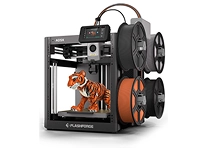
FDM printers feed thermoplastic filament through a heated nozzle and build parts layer by layer. They are commonly considered for practical parts, models, and accessible prototyping; useful specifications include build volume, nozzle size, layer height, heated-bed capability, and enclosure design. SLA printers cure liquid photopolymer resin with a light source, which can produce finely detailed surfaces, but parts generally require washing and post-curing. SLS systems fuse polymer powder and can create complex geometries without conventional support structures, while metal additive manufacturing uses specialized processes and equipment. Printer features such as automatic bed leveling, direct-drive or Bowden extrusion, heated chambers, and network connectivity can influence setup and results. Compare the intended application, operating workflow, and compatible materials rather than choosing solely by headline resolution or speed.
- FDM, SLA, and SLS process differences
- Compare build volume and key features
- Match printer technology to intended parts
Choose Filament, Resin, and Other Materials
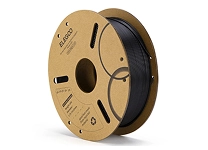
Material selection affects strength, flexibility, surface finish, temperature performance, and print settings. PLA filament is commonly used for general models and prototypes; PETG offers a different balance of toughness and printability, while ABS and ASA are often selected for parts needing more heat or weather resistance, subject to printer requirements. TPU is a flexible filament for bendable designs. Resin choices include standard, tough, flexible, and castable formulations, with compatibility depending on the printer's wavelength and process. Industrial systems may use nylon powder, engineering polymers, or metal feedstocks. Check diameter, spool size, recommended nozzle or build-plate temperatures, drying needs, and storage guidance before purchasing. Material technical data and printer-maker recommendations help determine whether a consumable suits the project and machine.
- PLA, PETG, ABS, ASA, and TPU filament
- Standard and specialty photopolymer resin
- Check material and printer compatibility
Find Software, Accessories, and Finishing Tools
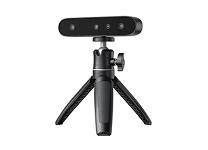
A reliable workflow combines hardware with software and practical accessories. Slicing software converts a 3D model into printer instructions and lets users adjust supports, infill, layer height, and other parameters; check supported file formats and printer profiles. A 3D scanner can capture physical objects as digital meshes for reference, customization, or reverse-engineering workflows. Useful FDM accessories include spare nozzles, extruders, build plates, filament dryers, and enclosures. Resin workflows may call for compatible wash containers, cleaning supplies, gloves, and UV curing equipment, following product safety instructions. For finished parts, deburring tools, sanding supplies, and calipers support cleanup and measurement. Ubuy can help shoppers discover international printers and related accessories, but product specifications should be checked to confirm fit with the equipment already in use.
- Slicers, scanners, and model preparation
- Nozzles, build plates, and filament storage
- Washing, curing, and part-finishing tools
Consider Applications, Setup, and Maintenance
Additive manufacturing serves education, design, engineering, healthcare, hobby projects, and manufacturing, with suitable equipment varying by task and material. A compact FDM printer may fit classroom demonstrations or early prototypes, while detailed miniatures can call for a resin workflow. Functional parts require attention to orientation, wall thickness, infill, and material properties; production environments may also prioritize repeatability, monitoring, and throughput. Before buying, assess available workspace, ventilation needs, noise, power requirements, assembly, and the time required for calibration and post-processing. Routine care can include cleaning the build surface, checking belts and moving parts, clearing or replacing nozzles, and storing filament or resin as instructed. Follow the printer and material manufacturers' operating and safety guidance, especially when handling hot components, fine powders, or uncured resin.
- Match equipment to project and environment
- Plan for setup and post-processing
- Follow care and material safety guidance
Select the Right additive manufacturing products
Start with the parts you want to make, the materials they require, and the level of detail or durability expected. Then compare printer technology, usable build volume, material compatibility, software support, and the effort involved in setup and finishing. For an FDM system, confirm filament diameter, nozzle options, and whether an enclosure or heated bed is needed for your chosen materials. For resin equipment, check resin compatibility and account for washing and curing. Established names such as Prusa, Ultimaker, Creality, and Formlabs offer products across different approaches to 3D printing; compare the specifications of individual models rather than assuming features are shared across a brand. Review what is included, identify any essential accessories, and consider consumable availability for your workflow. Ubuy offers a place to explore international product options and compare relevant category items.
- Prioritize application and material needs
- Check specifications and included components
- Plan for compatible ongoing supplies