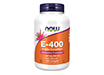
Explore Vitamins, Minerals, and Supplement Types
Vitamins, minerals, and supplements cover a wide range of products designed to complement everyday nutrition and specific wellness routines. Common choices include multivitamins, single-nutrient formulas such as vitamin D or magnesium, omega-3 oils, probiotics, protein powders, and plant-based supplements. Products may be formulated for adults, children, or particular life stages, so intended use and directions matter when comparing options. You will also find blends combining several ingredients in one serving, as well as products focused on a single nutrient. Formats range from tablets and capsules to gummies, powders, liquids, and softgels. Each offers a different experience in serving size, portability, taste, and ease of use. Understanding these categories helps narrow a broad selection to products that fit your dietary preferences, routine, and shopping goals.
- Compare single-nutrient formulas and multi-ingredient blends
- Choose from tablets, capsules, gummies, powders, and liquids
- Check intended use and age guidance
Compare Supplement Forms, Ingredients, and Features
The product format can influence how conveniently a supplement fits into a daily routine. Tablets and capsules are portable and provide a measured serving, while powders can be mixed into drinks or foods according to label directions. Gummies and liquids may suit shoppers who prefer alternatives to swallowing pills, but their serving sizes and added ingredients can differ. Softgels are commonly used for oil-based products, including fish oil. Read the Supplement Facts or equivalent product panel to compare the amount of each active ingredient per serving, serving size, other ingredients, and suggested use. For blended formulas, check whether individual nutrient amounts are clearly listed. Some products identify forms such as methylcobalamin, citrate, or chelated minerals; these terms describe ingredient forms and can help distinguish formulas. Consider flavor, allergens, dietary preferences, and packaging alongside the headline ingredient.
- Compare serving size and amounts per serving
- Review ingredient forms, flavors, and allergens
- Choose a format that suits your routine
Understand Nutrient Goals and Supplement Quality
Shoppers often explore supplements for nutritional support, including products featuring vitamin C, B vitamins, calcium, iron, zinc, magnesium, or vitamin D. Other popular categories include probiotics, prebiotics, collagen, herbal ingredients, and essential fatty acids. Product labels can help explain the intended use, ingredient blend, directions, and cautions, but they do not replace individualized health guidance. Quality-related details worth checking include a complete ingredient list, clear serving information, expiration or best-by dates, and any stated manufacturing or testing practices. Avoid assuming that a higher amount is automatically a better fit, especially when a formula overlaps with other products in your routine. Ubuy can be a platform for discovering international products and comparing ingredient panels, formats, and brand offerings. Names such as Solgar, NOW Foods, and Garden of Life may appear in this category; compare each individual product rather than relying on brand recognition alone.
- Explore vitamins, minerals, probiotics, and botanicals
- Read labels and check for overlapping ingredients
- Compare product-specific quality information
Consider Dietary Needs, Safety, and Compatibility
A suitable supplement depends on personal circumstances, dietary patterns, and any products already being used. Check whether a formula fits preferences such as vegetarian, vegan, gluten-free, or allergen-aware choices, and verify these details on the specific product label. Some ingredients can interact with medicines or may not be appropriate during pregnancy, while nursing, for children, or with certain health conditions. If you have questions about use, dosage, combining products, or a possible interaction, consult a qualified healthcare professional before purchasing or taking a supplement. Pay attention to warnings, age recommendations, and directions rather than relying on general category descriptions. When comparing a multivitamin with separate nutrient products, review the total amounts across all servings to avoid unintended duplication. Keeping a simple record of ingredients and serving schedules can make it easier to discuss your choices with a clinician and maintain a consistent routine.
- Check dietary, allergen, and age information
- Review cautions and potential ingredient overlap
- Ask a healthcare professional about personal concerns
Shop Supplement Brands and Everyday Essentials
Building a supplement routine can mean selecting one product or comparing several categories, such as a multivitamin, protein powder, probiotic, or fish oil. Start with the ingredient or format you are looking for, then compare serving size, directions, flavor, package quantity, and storage instructions. If you already use supplements, consider how a new product fits with those ingredients instead of treating each label in isolation. Brands including Nature Made, Optimum Nutrition, and Solgar offer examples of names shoppers may encounter across different supplement types; product formulas and features vary, so check the details for each item. Ubuy provides a platform for discovering international products across a range of category searches. Use product information to compare options, and confirm that the item you choose matches your intended use, preferences, and label directions before adding it to your routine.
- Compare brands by individual product details
- Match serving format to everyday use
- Review storage guidance and package information
Select the Right vitamins minerals supplements
To choose confidently, begin by identifying the product type and nutrient or ingredient you want to compare. Next, read the complete label, including serving size, amount per serving, other ingredients, directions, and warnings. Consider whether the format is practical for your routine and whether the product accommodates your dietary preferences or known sensitivities. Compare blends carefully, since similar product names can contain different ingredients and amounts. Check expiration or best-by information and follow storage instructions after purchase. If you take medication, have a health condition, or are choosing a product for a child or a specific life stage, seek guidance from a qualified healthcare professional before use. Keep expectations realistic: supplements are intended to complement, not replace, a varied diet or appropriate medical care. A considered comparison of purpose, label details, and personal fit can help you select a product with greater confidence.
- Start with a clear ingredient or product goal
- Compare labels, serving details, and cautions
- Choose a product suited to your needs and routine